How to support an older person on Valentine's Day
5-minute read | 12/02/2026

Editorial Contributor

Valentine’s Day is often framed as a celebration for couples, but for many older adults, especially those living alone or grieving a spouse, it can be a poignant reminder of loss.
Statistics from Age UK show that women are nearly twice as likely to experience the loss of a partner, with 77% of women over 85 being widowed. Whether your loved one is navigating grief, living with dementia, or simply feeling the distance of family, here is how you can provide meaningful support this Valentine’s Day.
Practical ways to offer emotional and physical support
Have an open family discussion
If you’re worried about how an older person will feel on Valentine’s Day, or are unsure if planning something on the day could bring up painful emotions, it can really help to talk it out with the wider family.
Likewise, if you’re a carer, don’t be afraid to ask the family about the best way to spend the day. They may have some traditions such as lighting a candle or laying flowers, and will be able to let you know if there is anything you should be aware of that could cause distress.
Remember, on the flip side, an older person may not want to mark the day at all, and may consider it the same as any other day.
Encourage ‘self-care’
Grief and loneliness don't just have an impact on how we feel mentally – it can take its toll on us physically too. Older people experiencing negative emotions can become exhausted, lose their appetite, and lack the motivation to get out and about.
This Valentine’s Day could be an opportunity to encourage an older person to put themselves first. This could mean setting some time aside for you both to do something they enjoy, such as:
- Going to a bookshop to pick a new book
- Ordering their favourite takeaway meal or going to a much loved restaurant or pub
- Booking a blow dry at their hairdressers, or a shave or trim at the barber's
- Having an aromatherapy session
- Sketching or painting
- Relaxing with some calming music.
Collect messages of love
If you’re worried about an older person feeling lonely this Valentine's Day, why not try reaching out to family and friends for messages and gestures of love?
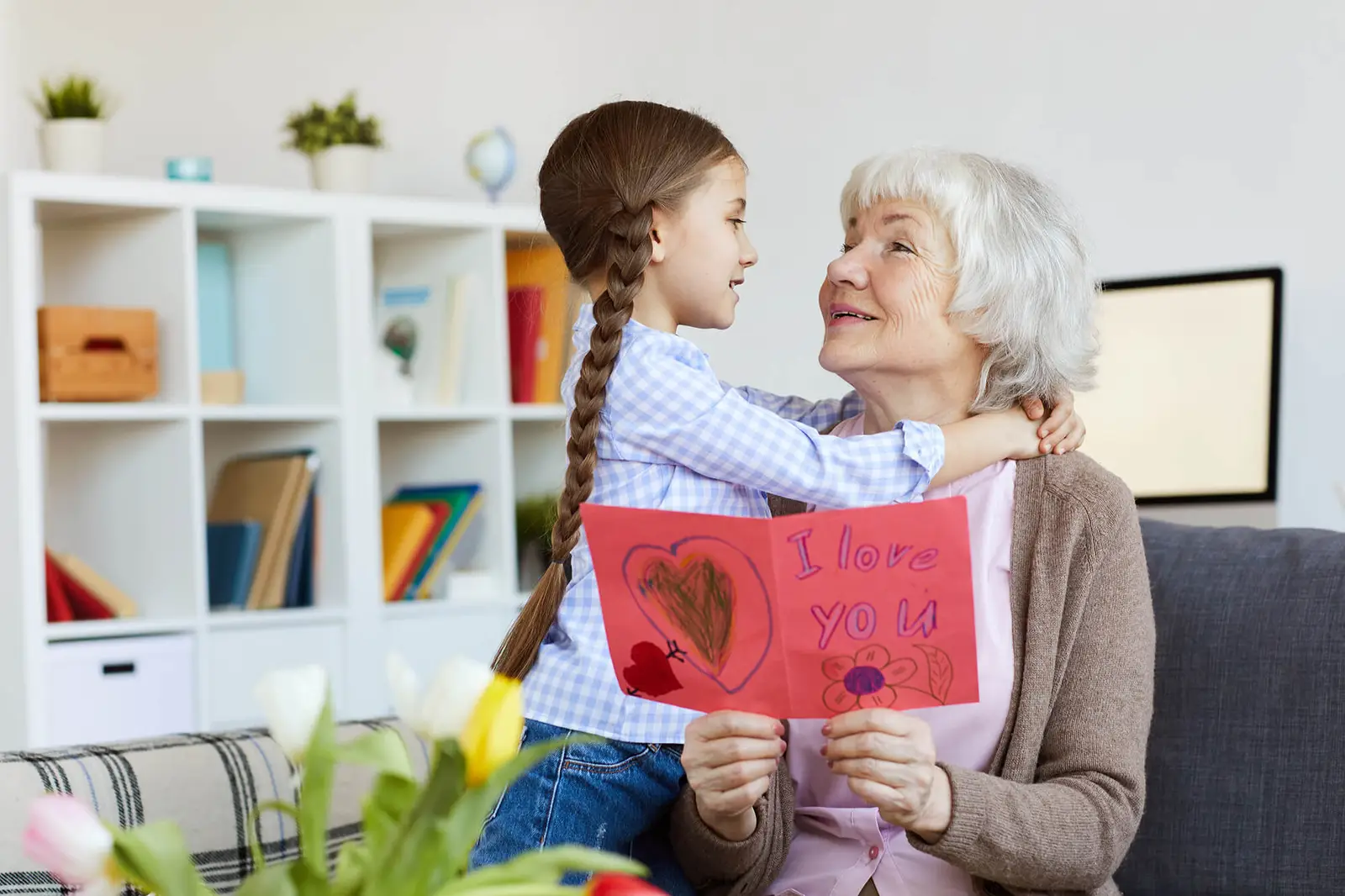
Receiving a card or bunch of flowers can really brighten an older person’s day. Even a video message or text from a loved one can remind them they’re loved and that people are thinking of them.
Embrace reminiscence
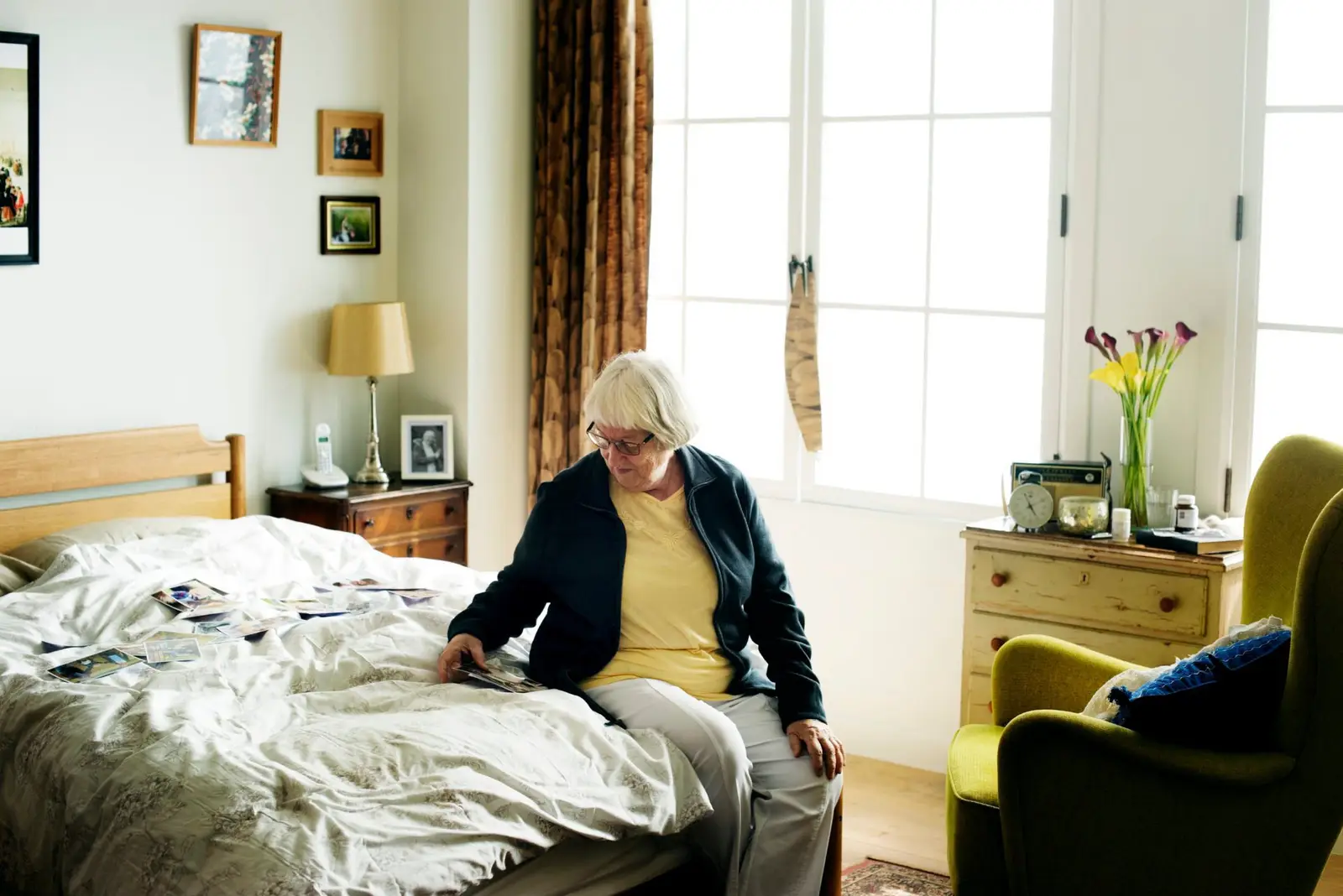
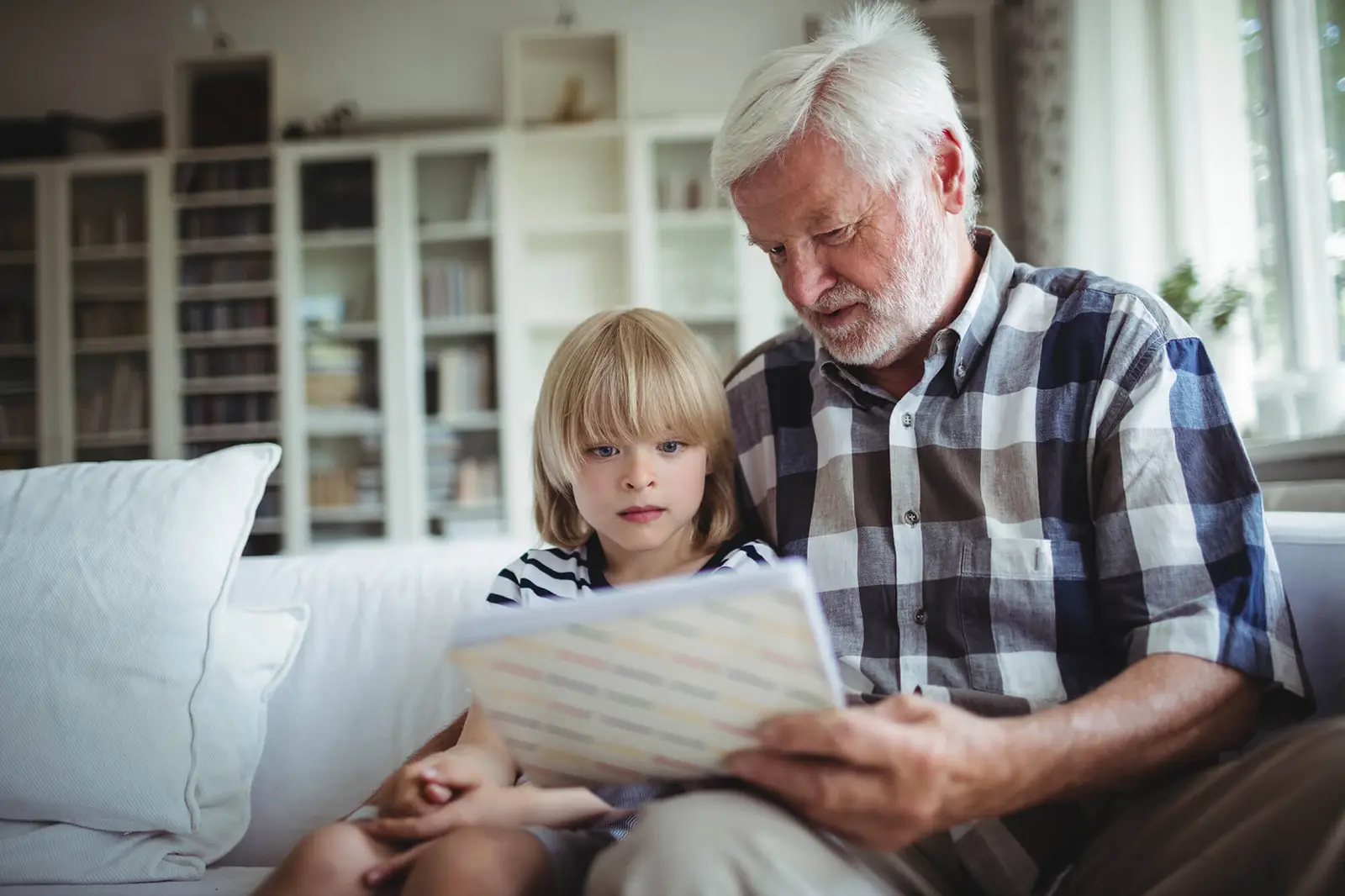
For those who have lost their spouse some time ago, it may be a comfort to talk about them. In fact, many seniors enjoy talking about their lives and the people who were in it. Looking at photos, and mementos from their time together can be a meaningful way to spend Valentine’s Day, and could help you create new memories together and grow closer.
If an older person is happy to reminisce, why not ask them questions about how they met their partner, how they used to spend Valentine’s Day, or where the best place they visited together was. You could even see if they’d like to put a scrapbook together in celebration of these moments and places.
Of course, it’s important to remember that reminiscence can be highly emotional, so let them lead the conversation and if it becomes too much, move on.
Try something new
Doing something out of the ordinary can help to refocus the mind from painful memories, and could even start a brand new Valentine’s Day tradition.
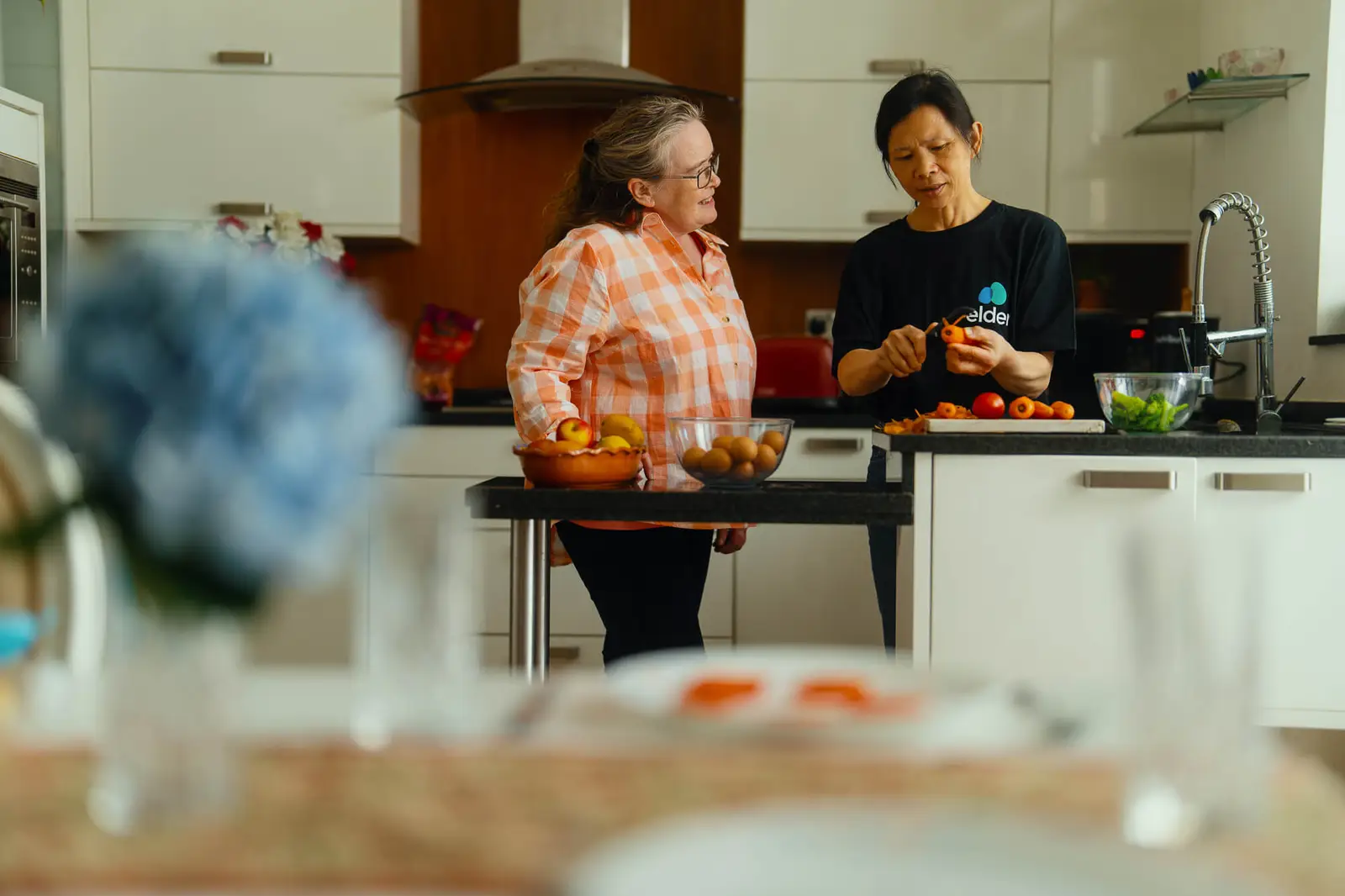
For example, if an older person likes to bake, you could find a new recipe to follow together or even hold an at home ‘bake off’. If they’re passionate about the outdoors or horticulture, why not take an afternoon stroll around a local National Trust garden, or visit a garden centre for a coffee and a browse.
If the person you’re supporting is living with confusion or dementia, doing something different doesn’t need to impact their routine – it can be as simple as watching a film you’ve not seen together before, or starting a new activity such as a jigsaw puzzle.
Looking for more Valentine's Day inspiration?
If your loved one finds the day heavy, shifting the focus toward a "pleasant distraction" can change the entire atmosphere. Try one of these low-pressure activities to brighten the day:
- Go for a drive: If they’ve lived in the same area for decades, take a slow drive through local landmarks. It’s a wonderful way to spark "active reminiscing" – ask them what used to stand on the high street or where they spent their weekends in their youth.
- Give back: Helping others is a proven mood booster. Spend an hour together sorting through items for a local charity shop or, if they are a keen crafter, look into "Warmth Charities" that need knitted hats or blankets for neonatal units. It turns Valentine’s Day into a day of community contribution.
- Plant for the future: Since February marks the cusp of spring, head to a garden centre to pick out "hopeful" seeds or bulbs. Planting a pot together provides a visual reminder of growth and something to look forward to as the warmer months approach.