Vascular dementia: causes, symptoms and stages
5-minute read | 25/02/2026
Editorial Contributor

Vascular dementia is the second most common type of dementia in the UK after Alzheimer’s disease. It’s caused by reduced blood flow to the brain, which damages brain cells and affects memory, thinking and behaviour.
The condition affects people in different ways. Symptoms and progression depend on the cause, the extent of blood vessel damage, and which parts of the brain are involved.
What is vascular dementia?
Vascular dementia is a type of dementia caused by problems with blood supply to the brain.
When blood vessels are blocked or damaged, often due to stroke or small vessel disease, the brain can be starved of the oxygen and nutrients it needs. Over time, this leads to cognitive decline.
Unlike Alzheimer’s disease, which is caused by abnormal protein build-up in the brain, vascular dementia is linked to vascular (blood vessel) damage.
What causes vascular dementia?
Vascular dementia is caused by reduced blood flow to the brain, which damages brain cells over time. This most commonly happens as a result of:
- A stroke
- Multiple mini strokes
- Small vessel disease
- Long-term conditions that damage blood vessels.
Risk factors for vascular dementia
Several health conditions increase the risk of vascular dementia, including:
- High blood pressure
- Heart disease
- Diabetes
- High cholesterol
- Atrial fibrillation
- Smoking
- Obesity.
Because the condition is linked to problems with blood vessels and circulation, it is sometimes referred to as post-stroke dementia or multi-infarct dementia.
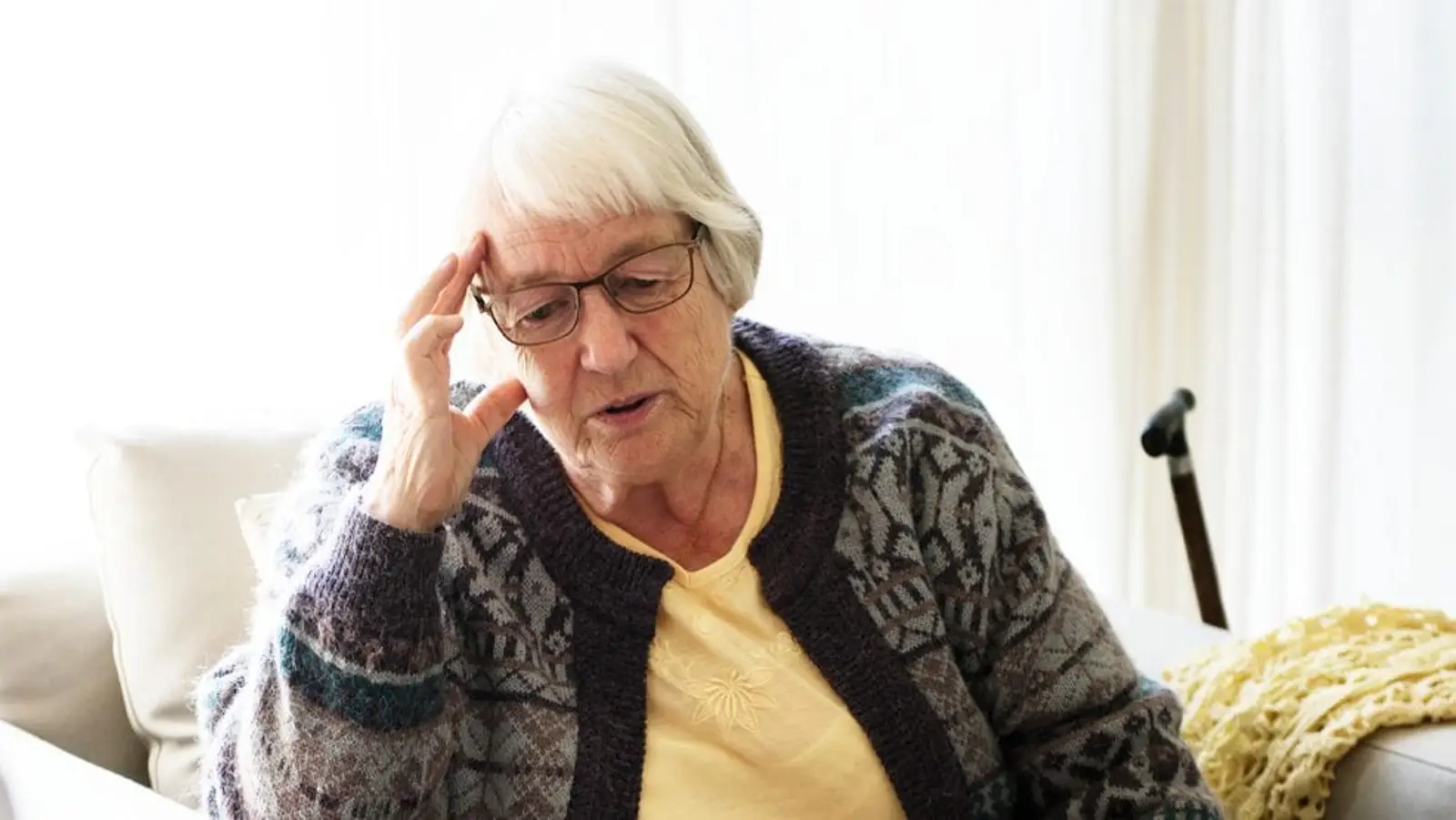
Vascular dementia symptoms
Early signs of vascular dementia
The signs of vascular dementia can vary depending on which part of the brain is affected. Symptoms may appear suddenly after a stroke or develop gradually.
Common vascular dementia symptoms include:
- Slower thinking and processing
- Difficulty concentrating
- Problems with planning or decision-making
- Memory problems (though often less severe than in early Alzheimer’s)
- Mood changes, including depression
- Balance and walking difficulties.
Vascular dementia sundowning
Some people experience vascular dementia sundowning, where confusion and agitation become worse in the late afternoon or evening.
Sundowning can include:
- Increased restlessness
- Irritability
- Anxiety
- Difficulty sleeping.
Establishing a calm evening routine and reducing stimulation can help manage symptoms.
Vascular dementia stages
Unlike Alzheimer’s disease, vascular dementia doesn’t always follow a clear seven-stage pattern. Progression can be step-like, meaning symptoms worsen suddenly after a stroke, then stabilise for a period.
However, it’s generally described in three broad stages:
1. Early-stage vascular dementia
- Mild problems with organisation and concentration
- Subtle changes in personality or mood
- Increasing difficulty with complex tasks
2. Mid-stage vascular dementia
- More noticeable memory loss
- Increased confusion
- Communication difficulties
- Needing help with daily activities
3. Late-stage vascular dementia
- Severe cognitive impairment
- Limited communication
- Full-time care needs
- Physical frailty and mobility problems

How is vascular dementia diagnosed?
Diagnosis usually involves:
- A GP assessment
- Referral to a memory clinic
- Cognitive tests
- Brain scans (CT or MRI)
- Review of medical history, including stroke or heart disease
Early diagnosis helps families plan care and manage risk factors.
What is the difference between Alzheimer’s and vascular dementia?
It can be difficult to tell Alzheimer’s and vascular dementia apart, as both affect memory and thinking in different ways.
| Alzheimer's disease | Vascular dementia | |
|---|---|---|
Caused by protein build-up in the brain | Caused by reduced blood flow to the brain | |
Memory loss is usually the first symptom | Thinking speed and planning often affected first | |
Gradual progression | Often step-like progression | |
Less commonly linked to stroke | Frequently linked to stroke or heart disease |
Some people have mixed dementia, which is a combination of Alzheimer’s disease and vascular dementia.
If you’re unsure what is the difference between vascular dementia and Alzheimer’s, a specialist assessment can help confirm the diagnosis and guide the right support.
Treatment and management
There’s currently no cure for vascular dementia, but treatment focuses on:
- Controlling blood pressure
- Managing diabetes and cholesterol
- Preventing further strokes
- Encouraging healthy lifestyle changes
- Providing cognitive and emotional support
Medication may be prescribed to reduce stroke risk.
Living with vascular dementia: getting the right support
Caring for someone with vascular dementia can become increasingly demanding as symptoms progress. Changes in memory, mobility, behaviour and communication often mean extra support is needed at home.
Professional care at home can help with:
- Personal care and daily routines
- Medication management
- Preparing meals and supporting nutrition
- Mobility and fall prevention
- Companionship and emotional reassurance
- Monitoring changes in health
For many families, staying at home provides familiarity and stability, which can help reduce confusion and anxiety.
How Elder can help
At Elder, we connect families with experienced self-employed carers who provide personalised care at home.
Live-in care offers:
- Dedicated one-to-one support
- Continuity with the same carer
- Flexible routines built around your loved one
- Support with complex health conditions, including stroke-related needs.
If you’re concerned about vascular dementia symptoms or planning ahead for care, speaking with an Elder care advisor can help you understand your options and find the right level of support.
Frequently asked questions about vascular dementia
The most common cause is reduced blood flow to the brain, often due to stroke or small vessel disease.
In most cases, vascular dementia is not directly inherited. However, some of the conditions that increase risk, such as high blood pressure or heart disease, can run in families.
Rare genetic conditions, such as CADASIL, can cause inherited forms of vascular dementia, but these are uncommon.
Progression can be unpredictable. Some people experience:
- Sudden declines after strokes
- Periods of stability
- Gradual worsening over time
Effective management of cardiovascular risk factors can reduce the risk of further damage.
Vascular dementia life expectancy varies depending on:
- Age at diagnosis
- Overall physical health
- Underlying cardiovascular conditions
- Whether further strokes occur.
On average, people live around 5 years after diagnosis, though some live much longer. Managing underlying health conditions, such as blood pressure and heart disease, can help slow progression.
Dementia is an umbrella term for a group of symptoms affecting memory, thinking and behaviour.
Vascular dementia is one specific type of dementia, caused by problems with blood supply to the brain.
As the condition progresses, people may:
- Struggle to find the right words
- Lose track of conversations
- Repeat themselves
- Speak more slowly.
Communication can become particularly challenging in the later stages. Patience, simple sentences, and maintaining eye contact can help.