Dementia Care
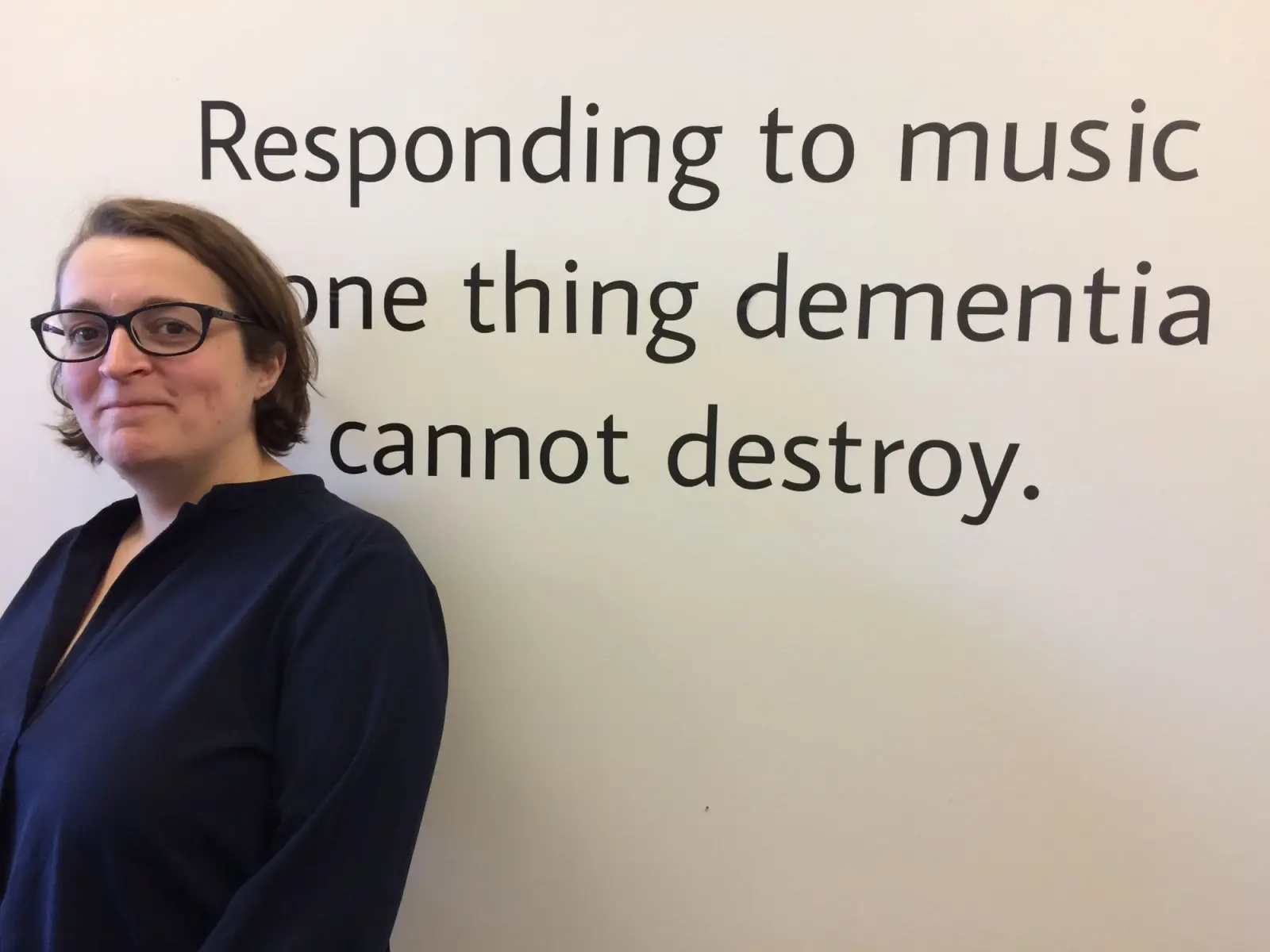
How music can help those with dementia and their families
Zenya Smith | Editorial Contributor
4-minute read | 16/04/2026


The terms dementia and Alzheimer’s are often used interchangeably but they don’t mean the same thing. Dementia is a term used to describe a group of symptoms affecting memory, thinking, and daily life. Alzheimer’s disease is the most common cause of dementia. While related, they are not the same condition.
Understanding the distinction is key when navigating a diagnosis, comparing symptoms, or planning care.
This guide explains the difference between Alzheimer’s and dementia, along with how symptoms and progression can vary, helping you better understand what to expect over time.
At a high level, the difference comes down to this:
So when comparing Alzheimer’s with dementia, you're really comparing a specific condition with a broader category it belongs to.
Instead of looking at dementia as a whole, it’s often more useful to compare Alzheimer’s with other specific types.
These are the two most common forms of dementia, but they tend to progress differently.
Vascular dementia
For more information about its causes, symptoms and stages, read our guide to vascular dementia.
Alzheimer’s
In some cases, a person may experience both forms of dementia, known as mixed dementia.
This comparison highlights how symptoms can vary depending on which part of the brain is affected.
Frontotemporal dementia
Because of this, frontotemporal dementia is sometimes misidentified in its early stages.
Alzheimer’s
Knowing whether symptoms are linked to Alzheimer’s or another type of dementia can help with:
For many families, clarity around the diagnosis is an important step towards planning care with confidence.
As dementia progresses, daily life often becomes more challenging. The level of support needed can vary depending on the type and stage of the condition.
You may want to consider additional care if someone is:
For many families, live-in dementia care can be a way to maintain safety and familiarity at home while ensuring consistent, one-to-one support.
At Elder, we help people remain in the comfort of their own homes with tailored live-in care that adapts as needs change. If you’d like to talk through care options, call 0330 822 0772 to speak with a Senior Care Advisor, or complete this form and we’ll be in touch to help.
Zenya Smith | Editorial Contributor

Earl Estologa | Editorial Contributor

Zenya Smith | Editorial Contributor

Zenya Smith | Editorial Contributor

Paola Labib | Editorial Contributor
Zenya Smith | Editorial Contributor