Osteoporosis care
6-minute read | 24/03/2026
Editorial Contributor
What is osteoporosis?
Osteoporosis is a health condition that weakens bones in the body. This makes them more likely to break on impact, such as if a person trips or falls.
It’s often referred to as the ‘silent disease’, as there are no obvious symptoms of the condition until an accident or injury causes the fragile bones to break. While breaks can happen to any bone, the most common breaks among people with osteoporosis, according to the NHS are wrist fractures, hip fractures, and spinal fractures.
It’s estimated that over three million people in the UK are living with osteoporosis, with over 500,000 people receiving hospital treatment for osteoporotic fractures each year. Statistics show that approximately 1 in 2 women and 1 in 5 men over the age of 50, will break a bone due to osteoporosis.
Osteopenia
When discussing osteoporosis, you may come across the term ‘osteopenia’, which is a condition that can sometimes develop into osteoporosis.
Osteopenia happens when your bones begin to lose density, and the inside of the bones become brittle due to a loss of calcium.
What causes osteoporosis?
There are several risk factors which can increase a person’s likelihood of developing osteoporosis. These include:
- Being excessively overweight, or underweight
- Smoking
- Lack of exercise
- Poor diet, lacking in vitamins and minerals
- Genetics and family history
- Unusual amount of bone mass loss after the age of 30
- Lower levels of calcium and Vitamin D
- Lower testosterone levels in men.
How can osteoporosis affect daily life?
It’s important to remember that every experience of osteoporosis is different, and what you can and can’t do will depend on the severity of the condition, and your overall health. Some people with severe osteoporosis may be unable to do household chores themselves, or walk very far. Meanwhile others with the condition may find it has little impact on their everyday lives.
Here are some examples of how osteoporosis can affect daily life:
- Restricted mobility – some people may experience joint pain in their knees when they stand, and may need to take lots of breaks when walking or moving. If they drive, a person may begin to rely heavily on their car to travel even short distances.
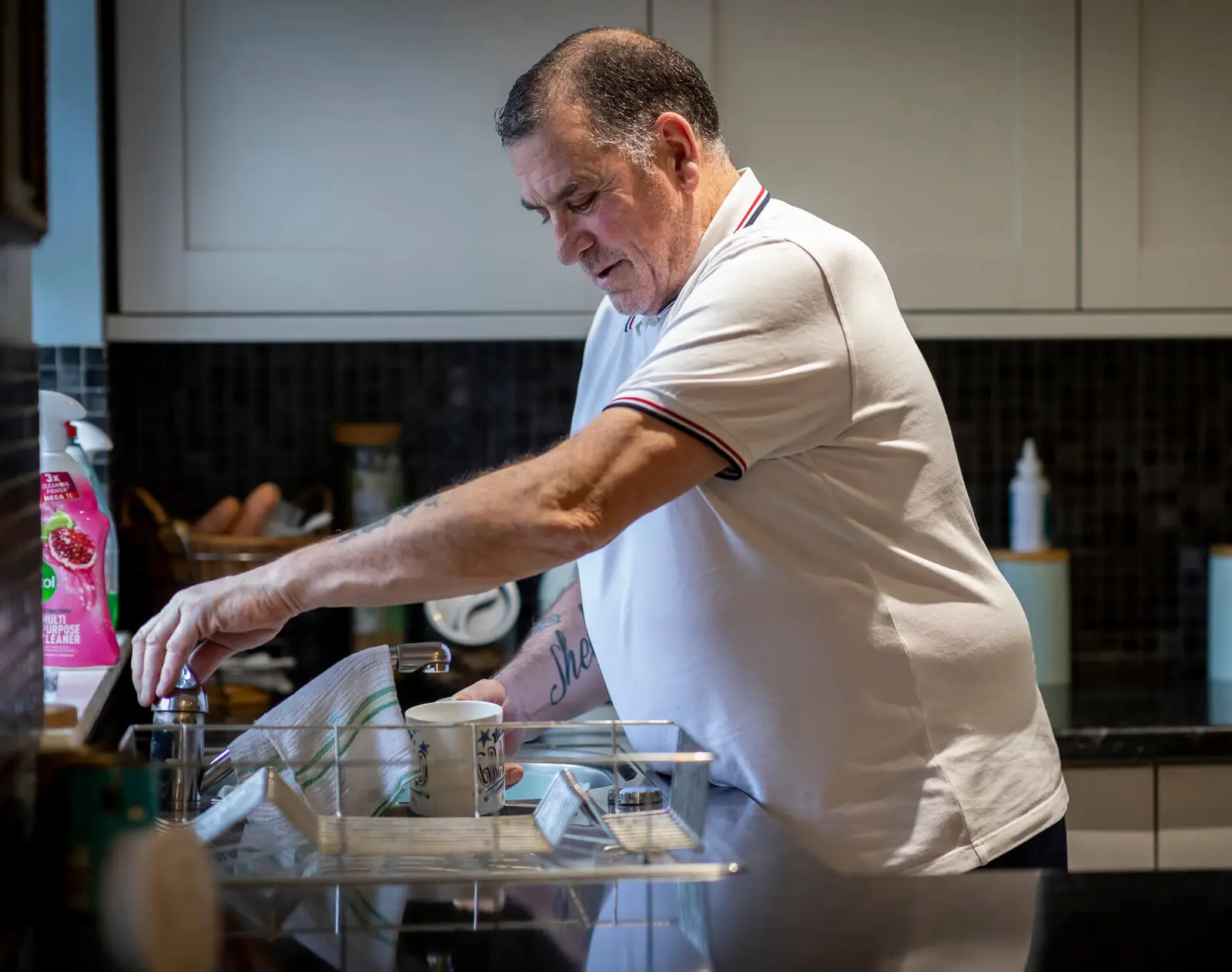
- Ability to look after the home – it may be more difficult to bend and lift things like a heavy laundry basket, or reach up to high shelves or to dust corners. Gardening and maintaining flowerbeds can often become uncomfortable after a while. Standing in one place for too long may cause pain too, making things like washing dishes difficult.
- On-going pain – after breaking a bone, some people continue to experience pain in the effected area long after it’s visibly healed. this can affect a person’s concentration, sleep, and make it difficult to stay physically active. It can also have a big impact on quality of life.
- Emotional impact – the burden of bone disease, pain, being unable to get out and about or do the things you used to do, and the fear of injury can have all lead to poor mental health.
How can you care for osteoporosis at home?
Caring for osteoporosis in the right way is important for a person’s safety and enjoyment of life. From prevention and treatment, to support with living with the condition, there are plenty of ways to help:
- Managing pain – pain is very individual, so there may be an element of trial and error to find what works. Aside from conventional pain relief, taking time to identify triggers, learning relaxation techniques, and finding distractions may offer some level of relief.
- Reducing the risk of fractures – Making an effort to reduce relevant risk factors around the home is essential, as even a small fall for someone with osteoporosis can cause fractures. Remove trip hazards such as rugs, doorstops and wires, moving furniture with sharp edges, place anti-slip mats to the bottom of the bath and shower, and on the bathroom floor, and encourage regular sight and hearing tests.
- Maintaining a healthy diet – The right foods can support healthy bones. According to The Royal Osteoporosis Society calcium rich foods, as well as foods with vitamin D, vitamin K and zinc are all beneficial to bone health.
- Encouraging the right kind of physical activity – Regular exercise supports strong bones. Weight-bearing exercises such as water aerobics, dancing, stair climbing and walking, tennis and badminton, and yoga and Tai-chi may help increase bone density. Meanwhile things like day-to-day lifting, such as children or shopping bags, and using ankle and wrist weights can help build and keep muscles healthy.
- Arranging and attending appointments – A person with osteoporosis may need more regular checkups and medical appointments including physio, regular hearing tests, occupational therapy, and visits to their GP. It may be beneficial to have a calendar showing all upcoming appointments, and arrange lifts and taxis well ahead of time
Did you know?
Some councils provide a hot meal delivery service or frozen meal deliveries for you to heat up at home, if you find cooking for yourself difficult, or are recovering from a broken bone. Find out more about meals on wheels services.
How Elder can help
The thought of a fall for older people with osteoporosis can be frightening. The fear of hurting themselves can often lead to people becoming inactive, to minimise the risk. This is counter-productive, as it can lead to increased stiffness, loss of balance and an increased likelihood of falling.
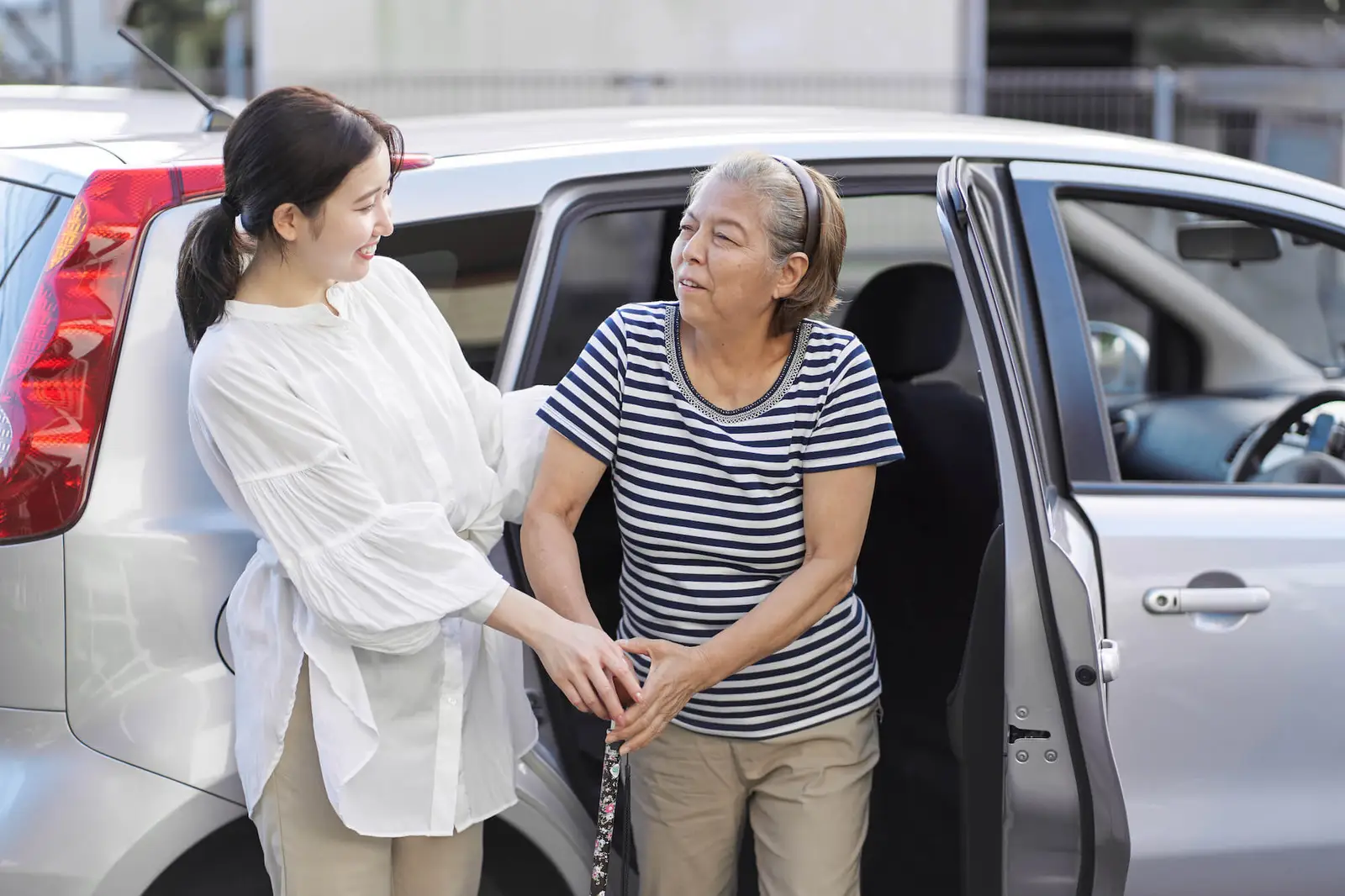
A live-in carer can help to support mobility and the treatment of osteoporosis, as well as other aspects of day-to-day life, such as cooking and cleaning.
Live-in care service providers such as Elder go to great lengths to see that carers are carefully matched with those seeking care. This ensures they’ll have plenty in common, enabling them to form a friendship, and happily share the same living space.
Meanwhile family and friends can be confident that their loved one is safe, happy, and in the capable hands of a compassionate and experienced live-in carer.
A live-in carer can help with things like:
- Preparing and cooking a balanced diet that supports bone health
- Promoting a healthy lifestyle – making activities that promote movement a weekly event, such as doing the grocery shop, or walking around the garden.
- Looking out for fracture risks, such as uneven pavements or hidden steps
- Help with lifting and carrying heavy items, such as shopping bags, laundry baskets or saucepans
- Help with daily activities such as getting in and out the shower and getting dressed
- Help managing other medical conditions
- Keeping the home clean and tidy
- Helping to plan ahead – visiting places and quieter times and avoiding crowds.
FAQs about osteoporosis care
The word "osteoporosis" comes from Greek and means "porous bones". Osteoporosis is a health condition that weakens bones, making them fragile and more likely to break.
A higher percent of women experience osteoporosis than men. Postmenopausal women are most at risk because hormonal changes in the body can reduce bone density.
Women’s bones also tend to be naturally weaker than men’s too. However, men over the age of 70 can also be prone to developing osteoporosis.
Whilst we know foods rich in calcium and Vitamin D are good, there are foods which aren’t as beneficial to bone health.
While The Royal Osteoporosis Society state that there aren’t foods that are specifically bad for bones, the following are best enjoyed in moderation:
- High salt foods
- Alcohol
- Foods high in saturated fat
- Caffeine
- Foods containing a lot of phytates and oxalates, which can reduce the amount of calcium getting to your bones. Eating too much wholegrain cereal, dried beans, rhubarb and drinking excessive amounts of tea could increase phytates and oxalates in the body.
We know that aerobic exercises and weight-bearing activities are recommended, but high-impact exercise is not. This includes things such as jumping, running and jogging. These activities may lead to weakened bones and fractures – instead, trying swimming for low-impact exercise.
Some people choose to take Vitamin D supplements and calcium supplements when living with osteoporosis.
Always speak to a GP beforehand, to ensure it’s right for you and that you’re taking the right amount for your needs.