Tips for communicating with the person you care for
8-minute read | 11/12/2025

Editorial Contributor

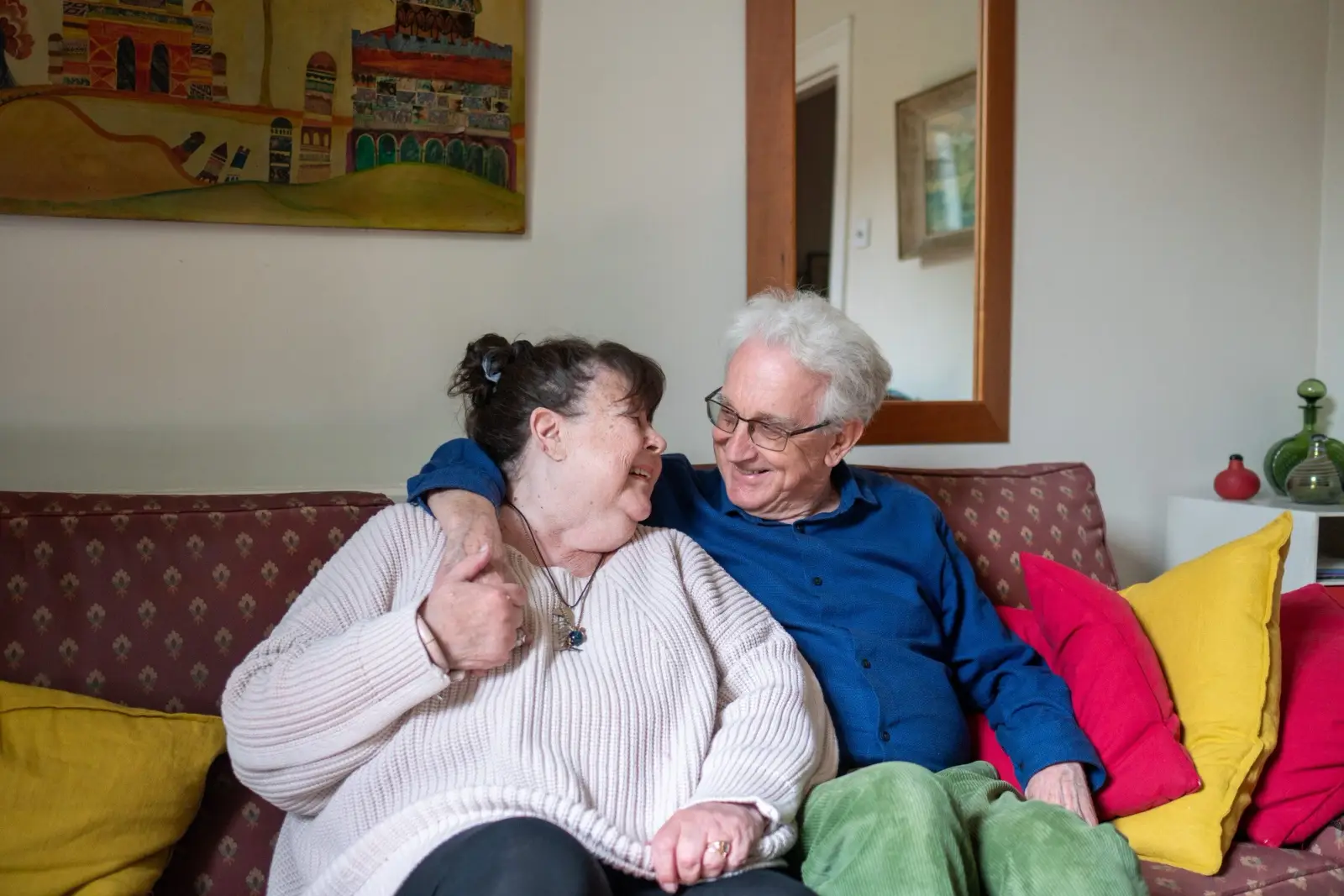
In many instances, conversation comes naturally to us – especially when talking to someone you know or who has the same interests or experiences as you do. However, if you’ve only recently started caring for an older person, it may take a little time to feel comfortable or understand the things they like to talk about. Likewise, progressive conditions such as dementia can make it more difficult to connect – or change the types of things they like to, or feel able to talk about.
Elder’s conversation week campaign is all about simply getting more people talking, asking questions, practising communication skills and getting to know each other better. Below, we’ve shared advice and support from later life experts, and our carer community to bridge the generation gap and help us connect.
What are the benefits of a good conversation?
A study by the Department of Psychiatry at NYU recently found that even just one short conversation a day with a friend can positively impact mental health. Whether engaging in a quick catch-up or joke together or having a more meaningful conversation – study participants reported an overall improvement in their mood and behaviour on days they connected with others.
A quick chat may help our cognition too. A 2010 study by the University of Michigan found that talking with other people in a friendly way can help cognitive function in a similar way to how puzzles and brain exercise games do.
For older people, especially those vulnerable to loneliness and social isolation, the opportunity to talk to someone regularly can also improve quality of life. Chronic loneliness has been closely linked to depression and a significant decline in mental and physical health and well-being.
Communication tips
Choosing the right tone of voice
Effective communication starts with how you sound.
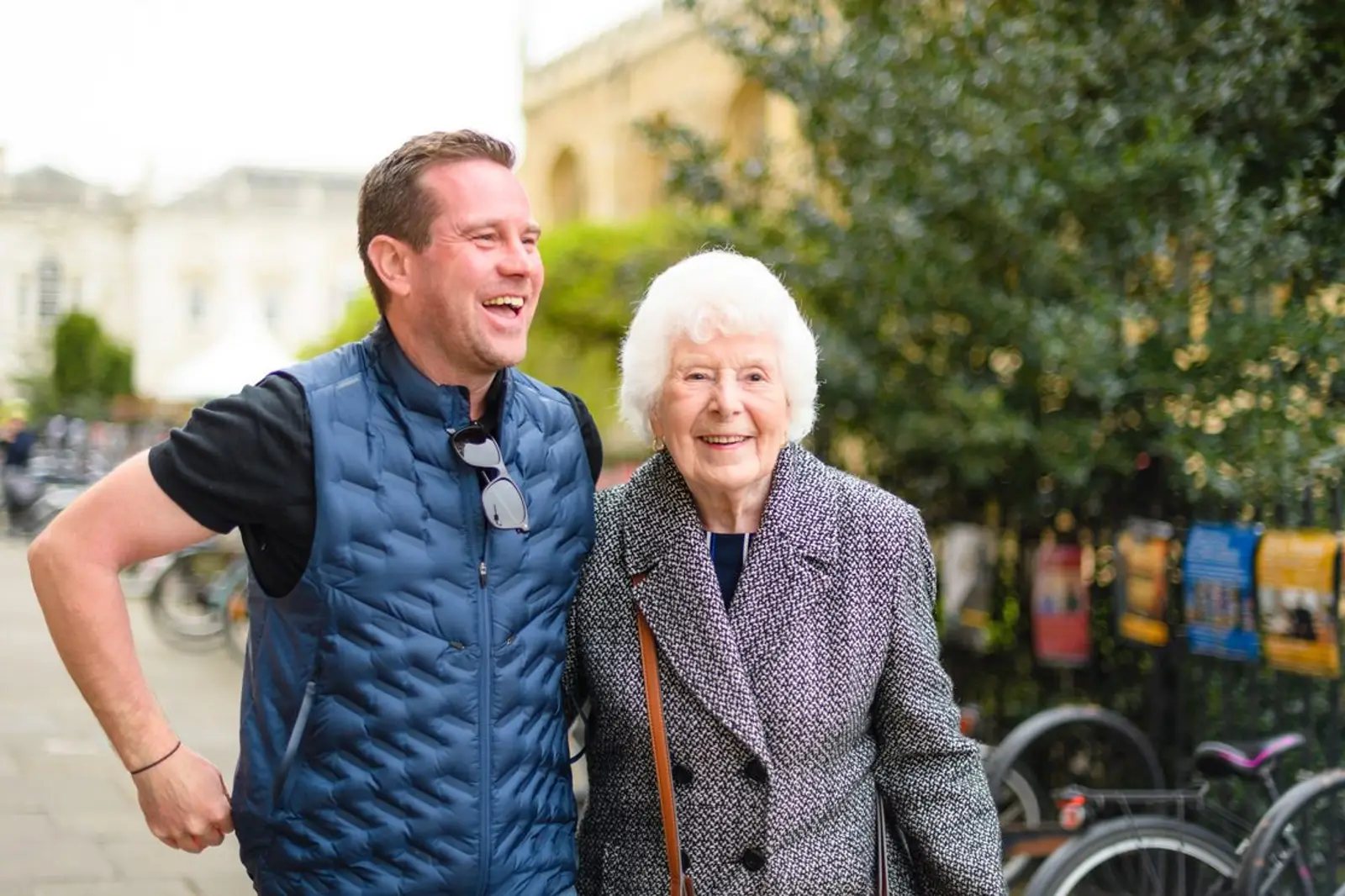
Speaking clearly and at an average volume is essential when communicating, especially if you’re speaking to individuals with some level of hearing difficulties or hearing loss. Shouting or speaking loudly can distort language sounds and may be perceived as anger by people who have trouble hearing. A high-pitched voice can also be difficult to hear.
Here are some tips that may be useful for individuals with hearing impairments.
- It’s important to signal a change in the topic through methods such as pausing briefly, gesturing, touching, or asking a question.
- When communicating with someone who struggles with distinguishing between certain letters and numbers, it’s helpful to provide contextual clues such as “m as in Mary” or saying the numbers out loud as “five and six” instead of simply stating “56.”
Consider your body language
Body language can be an important part of effective communication, particularly when interacting with an older person. Maintaining good eye contact is a sign that you’re listening actively and showing respect for the other person.
Bring along a conversation starter
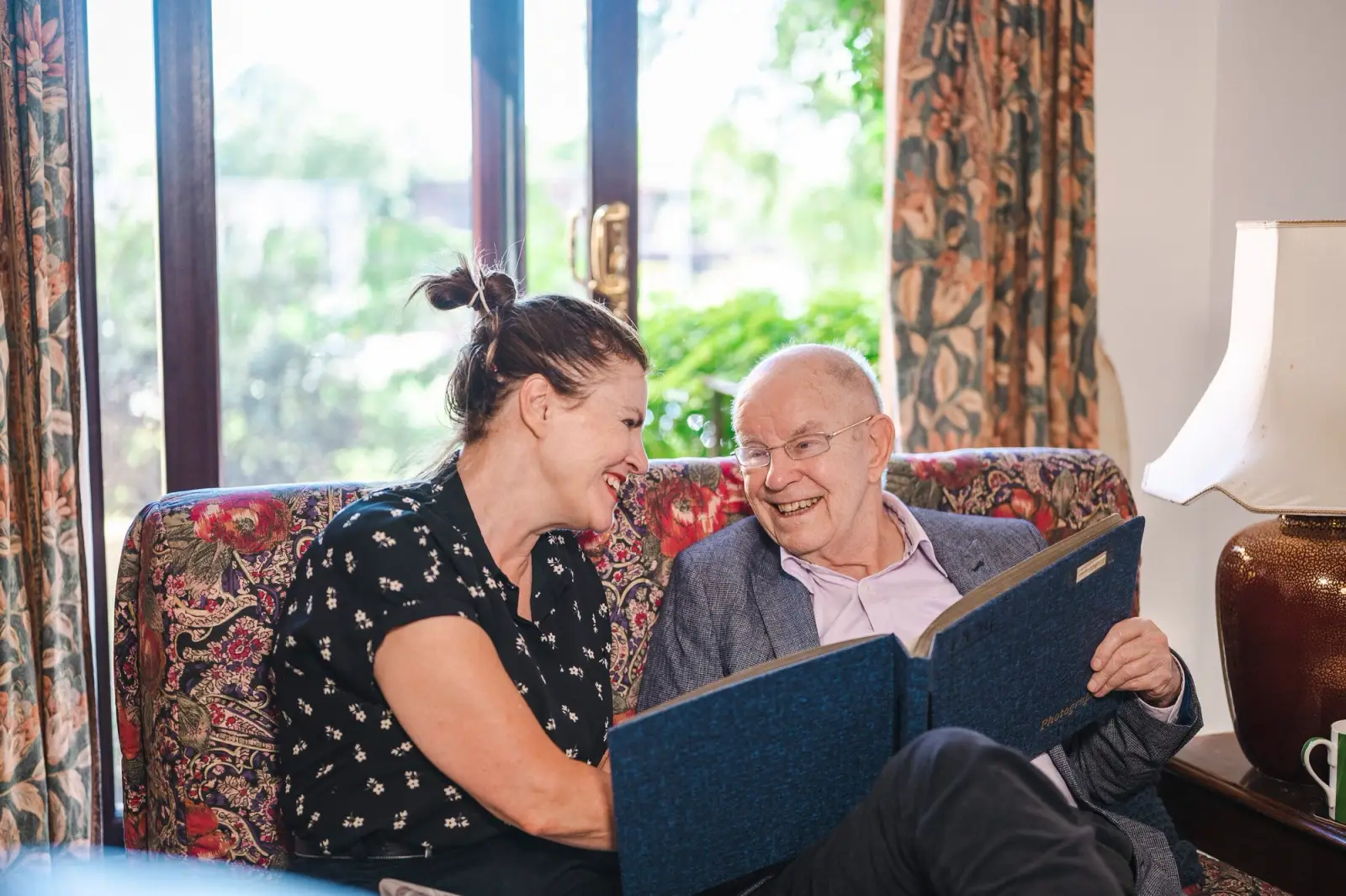
Bringing a conversation starter can help break the ice, especially if you’re unsure what to discuss. It could be anything from an interesting article or book you’ve read recently that aligns with their interests, to a photo. For example if the person you’re caring for is an avid gardener, perhaps they’d like to see photos of your garden. Even just looking through newspapers or magazines can be a great way to stimulate memories and conversation and get a better idea of their interests. Food is another excellent way to start a conversation, as in many cultures and for many generations, food is a social tool.
Asking them about the past and engaging in constructive conversation about it can help reduce symptoms of depression and improve self-esteem in an older person. Structured reminiscing has also been known to benefit those with dementia, as it engages cognitive abilities and may improve cognitive health.
Focus on one topic at a time
When talking with an older person, focusing on one topic at a time is best. Avoiding jumping from point to point or including too many unrelated topics can help the conversation stay interesting and engaging. It also reduces the risk of confusion and helps keep the discussion clear and focused. If you are slipping off-topic and you need to clarify something, feel free to politely redirect the conversation back to the original subject. You can keep conversations going by asking open-ended questions, such as “What happened next?”, “Can you tell me more about that/them?” or “What else do you remember?”
Listen actively with genuine interest
When we want to connect with someone, it’s natural to look for opportunities where we can respond with something related, or that we think the other person may find interesting. However, in searching for these moments, we can miss important details. This is where we need to practice active listening skills.
Active listening is listening attentively and without interruption, allowing the speaker to express their thoughts fully. It involves making eye contact, not interrupting or speaking over another person, and paraphrasing or repeating what has been said to show understanding. This can make it easier for the older person to open up and feel heard.
Smile
Highlighted by our carer community, a simple and genuine smile can be a powerful form of communication to begin a special connection and make someone feel safe and seen.
Things to consider when talking to someone with dementia
When dementia is involved, there are extra things to consider when communicating. The dementia diagnosis and progression of the condition may mean that the way you communicate with the person should be different and more thought through than the way you talk with others. People living with dementia can find the changes and challenges upsetting and frustrating, and they may become easily agitated when they don’t understand. Therefore, you will have to be patient and take on extra considerations when communicating.
Before the conversation
- To ensure effective communication, choosing a quiet and well-lit environment is recommended. People with dementia may have difficulty concentrating in busy environments, so avoiding distractions like the radio or TV is advisable.
- It may be beneficial to take advantage of a time of day when the person is more lucid, and can communicate more clearly to ask questions or discuss relevant topics.
- Put yourself in their shoes. What would you need or want if you struggled to communicate?
- Plan enough time to spend with the person – you don’t want the situation to be rushed or not be completely present.
During the conversation
- The person’s body language can show a lot about their emotions. The expression on their face and how they hold themselves can give you clear signals about how they feel when they communicate.
- When communicating with individuals with dementia, it can be helpful to ask for clarification if they struggle to find the right words. Encourage them to describe what they’re trying to convey and pay attention to nonverbal cues.
- It may take them a while to process the information and work out their response, so be patient.
- Avoid interrupting, including prompting them for a word, as it can disrupt the flow of conversation and may confuse them more.
- If they’re upset, allow them to express this. Give them the time they need; listen, and show that you’re there.
- Be conversational rather than just asking loads of questions.
- When talking with others, include the person with dementia in the conversation. This shows that they’re valued and helps them maintain their sense of identity. It can also reduce feelings of exclusion and isolation.